
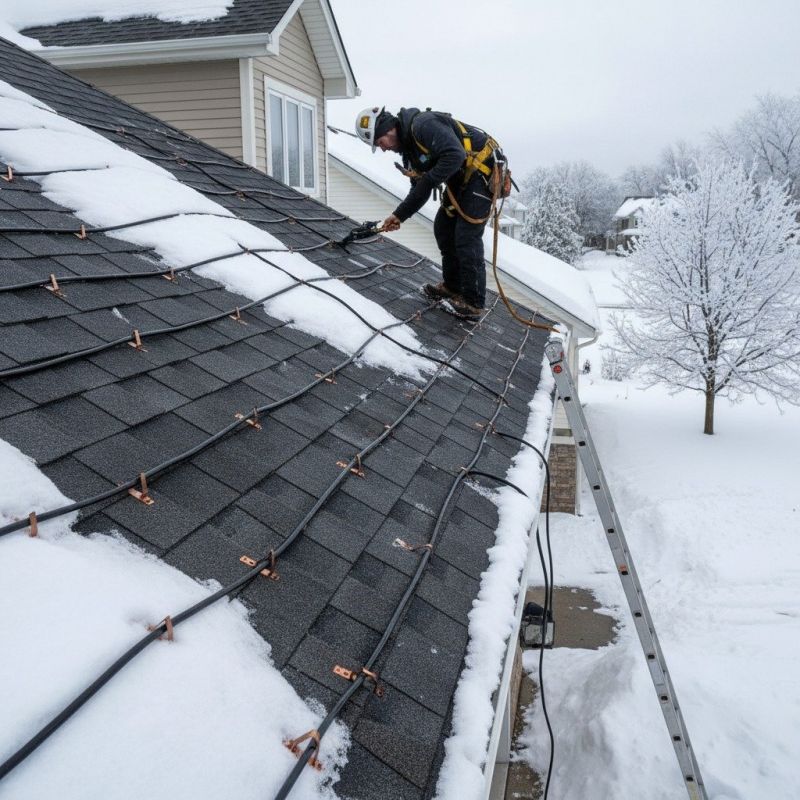
Heat Tape Installation in Seattle, WA
Heat tape installation services provide a practical solution for preventing ice buildup and protecting property from winter-related damage. These systems are typically installed along walkways, driveways, gutters, and roof edges to ensure that snow and ice melt safely and reduce the risk of slips, falls, and ice dams. Property owners often request heat tape installation when preparing for colder months or to address ongoing issues with ice accumulation, especially in areas prone to heavy snowfall or freezing temperatures.
Before requesting heat tape installation, homeowners should consider the specific areas that need heating and the type of system best suited for their property. It’s helpful to understand the length of the areas requiring coverage, the power source options available, and any existing electrical infrastructure. Proper planning ensures the system is effective and safe, helping to maintain clear pathways and prevent potential damage caused by ice and snow buildup during winter months.
Many property owners in Seattle, WA look into Heat Tape Installation for repairs, replacements, upgrades, and appearance-related improvements.
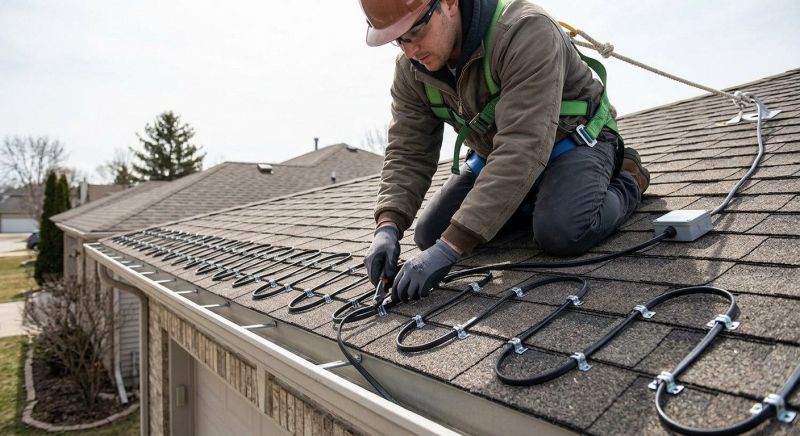
Protecting Walkways And Driveways
Heat tape helps prevent ice buildup on walkways and driveways during winter in seattle.
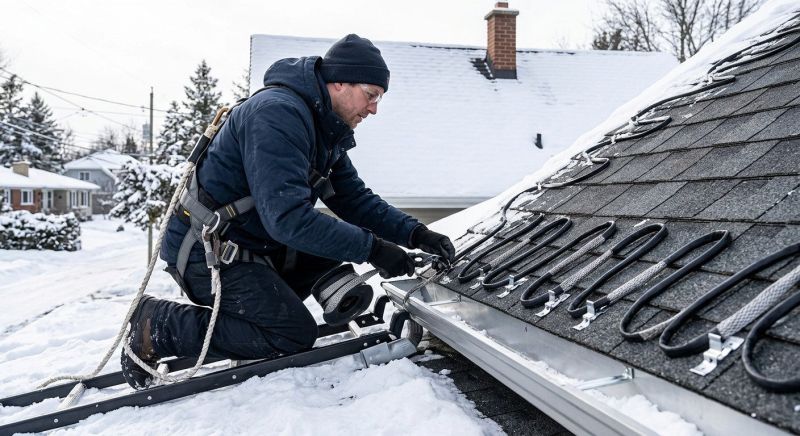
Preventing Frozen Pipes
Installing heat tape along pipes reduces the risk of freezing and bursting in cold weather.
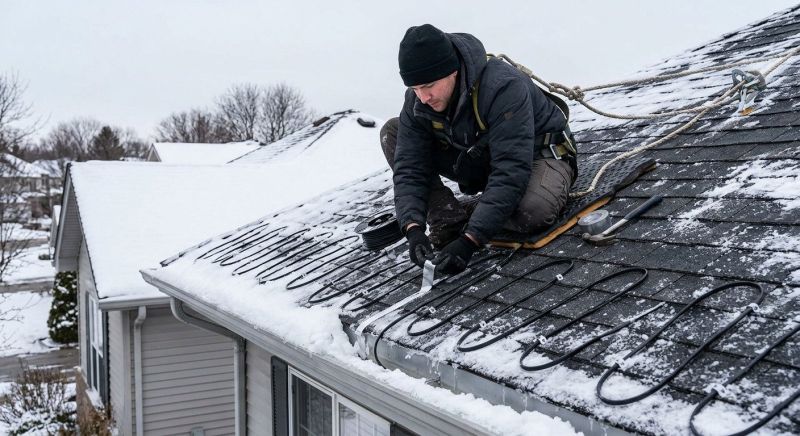
Maintaining Safe Outdoor Areas
Proper heat tape installation ensures outdoor steps and ramps stay clear of ice and safe to use.
Heat Tape Installation in Seattle, WA

Heat tape installation services provide a practical solution for preventing ice buildup and protecting property from winter-related damage. These systems are typically installed along walkways, driveways, gutters, and roof edges to ensure that snow and ice melt safely and reduce the risk of slips, falls, and ice dams. Property owners often request heat tape installation when preparing for colder months or to address ongoing issues with ice accumulation, especially in areas prone to heavy snowfall or freezing temperatures.
Before requesting heat tape installation, homeowners should consider the specific areas that need heating and the type of system best suited for their property. It’s helpful to understand the length of the areas requiring coverage, the power source options available, and any existing electrical infrastructure. Proper planning ensures the system is effective and safe, helping to maintain clear pathways and prevent potential damage caused by ice and snow buildup during winter months.
Many property owners in Seattle, WA look into Heat Tape Installation for repairs, replacements, upgrades, and appearance-related improvements.
Common Heat Tape Installation Jobs
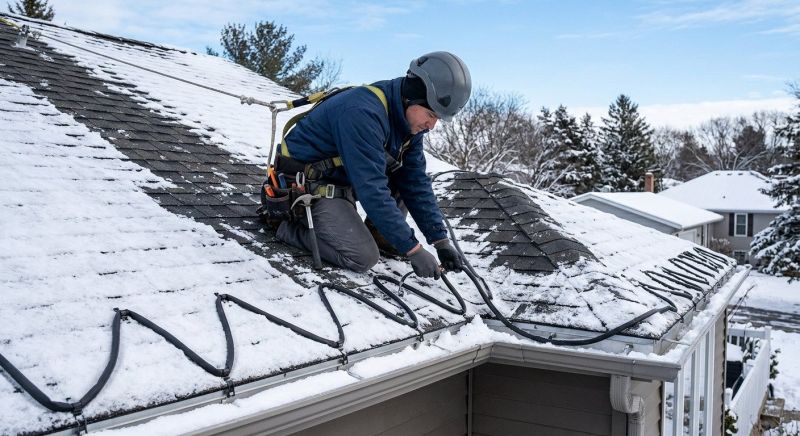
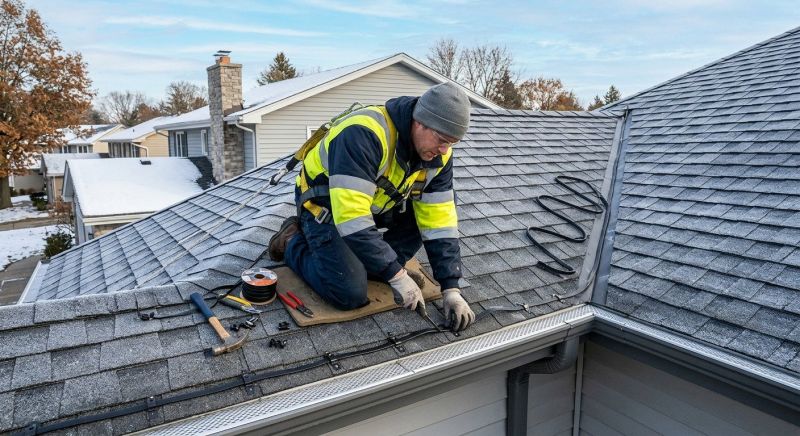
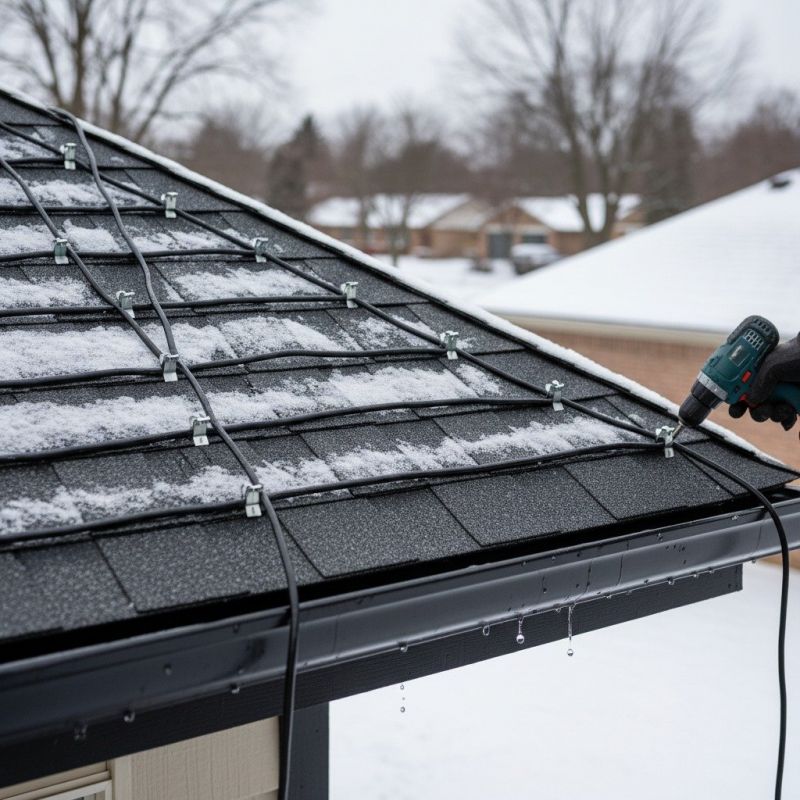
Heat tape installation for roof and gutter protection - helps prevent ice dams and water backup during winter storms.
Pipe heating cable setup - reduces the risk of frozen and burst pipes in cold weather.
Walkway and driveway heating tape - keeps walkways clear of snow and ice for safety and convenience.
Attic and crawl space heat tape - maintains proper temperature to prevent pipe freezing in unheated areas.
Outdoor faucet and hose bib heat tape - protects outdoor water sources from freezing and damage.
Custom heat tape solutions - tailored to specific property needs for efficient winter protection.
Heat Tape Installation Questions
What is heat tape used for? Heat tape prevents pipes from freezing during cold weather by providing consistent warmth along their length.
Where can heat tape be installed? It can be installed on exterior pipes, in attics, or in crawl spaces to protect vulnerable plumbing.
How does heat tape work? Heat tape is an electrical heating element that, when powered, generates heat to keep pipes from freezing.
Is heat tape suitable for all pipe types? It is generally compatible with most residential plumbing, but specific pipe materials may require different installation methods.
Request Heat Tape Installation in Seattle, WA
Use the quote form on this page to share the basics of your project and request more information for the type of work you need.